
The Efficiency of Modern Fulfillment Systems
In the fast-paced world of digital retail, speed and flexibility are the most valuable assets an entrepreneur can possess. The rise of print on demand technology has allowed thousands of creators to launch global brands without the traditional risks of inventory management or warehouse overhead. By producing garments only when a customer makes a purchase, businesses can test infinite creative concepts while maintaining a lean operational structure. This model has democratized the fashion industry, making it accessible for independent artists to reach a worldwide audience with minimal upfront capital.
Adding Tangible Quality with Custom Patches
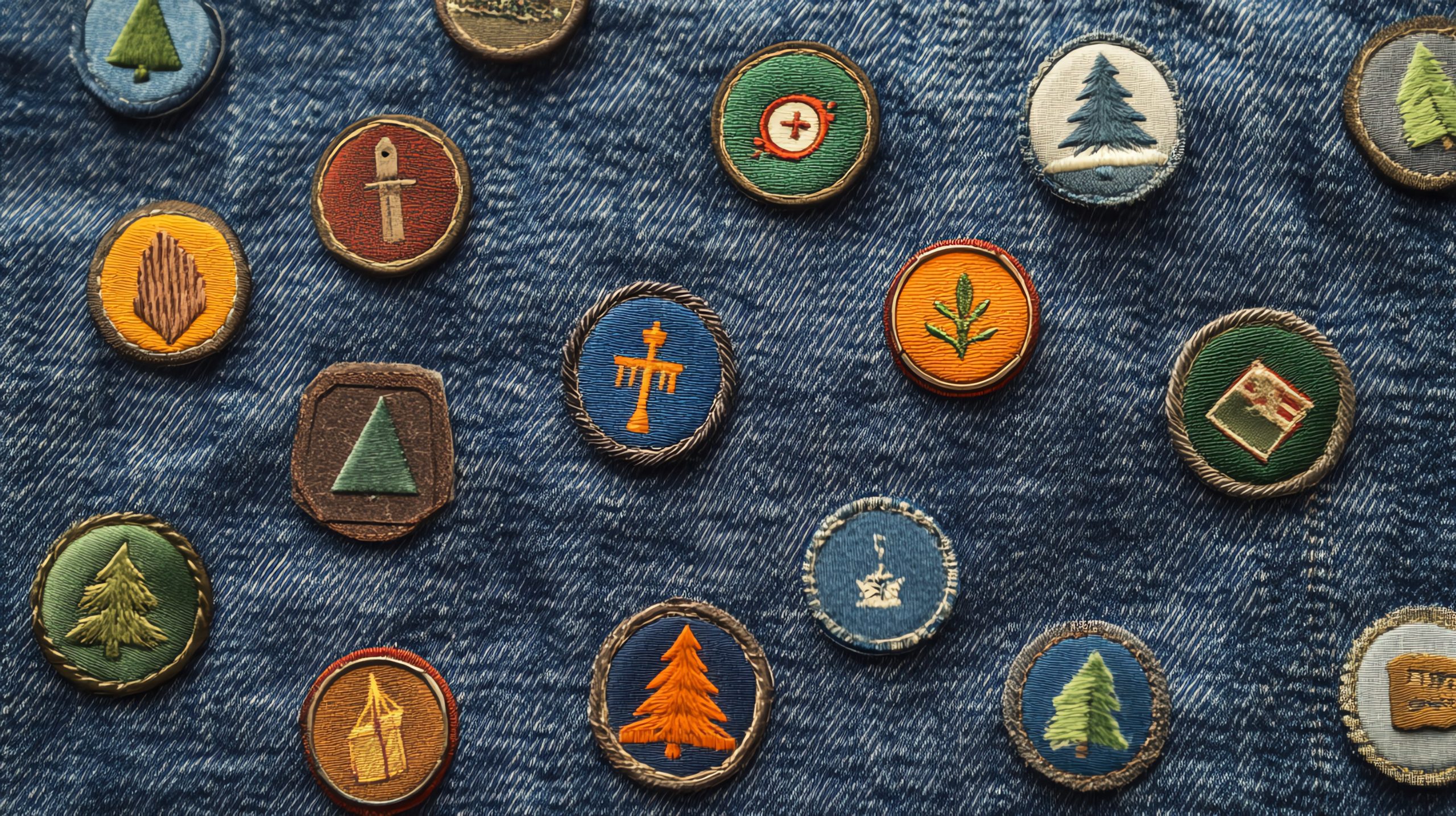
While digital printing offers incredible speed, many high-end consumers still crave the tactile feel of physical craftsmanship. Incorporating custom patches into your fulfillment strategy is an excellent way to elevate a standard t-shirt into a premium lifestyle product. These physical accents provide a sense of weight and durability that digital ink cannot replicate, making your merchandise feel like a curated fashion piece. By offering a variety of patch styles, you can create a modular branding system where a single base garment can be transformed into multiple unique designs.
Achieving Excellence with a Custom Embroidered Design
The true hallmark of a professional clothing line is the attention to detail found in its decorative elements. A well-executed custom embroidered design on a patch provides a sophisticated 3D texture that catches the light and adds a layer of prestige to any garment. Modern embroidery machines in 2026 utilize high-definition stitching patterns that can capture intricate logos and bold typography with incredible precision. This level of craftsmanship ensures that your brand’s primary visual identity remains sharp and authoritative, even after years of frequent wear and industrial-strength laundering cycles.
Scaling Your Brand Through Strategic Personalization
Successful apparel brands in the current market are those that offer a high degree of personalization without sacrificing their production efficiency. By utilizing modular branding components, you can keep a small stock of your most popular patches and apply them to base items ordered through your fulfillment partner. This hybrid approach gives you the best of both worlds: the infinite scalability of a print on demand model and the high-end finish of a bespoke, handmade item. It is a powerful method for building a loyal community of collectors who value both technological innovation and traditional quality.
The Ecological Advantage of Targeted Production
As the global conversation around textile waste becomes more urgent, the fashion industry is turning toward more responsible manufacturing practices. Because on-demand manufacturing avoids the overproduction of garments, it significantly reduces the amount of fabric that ends up in landfills each year. When you pair this sustainable production method with long-lasting, high-quality accessories, you are creating a product that is hem ethical and durable. In 2026, the brands that dominate the market are those that prove they can be innovative and responsible, providing the next generation of consumers with products that align with their values.
Frequently Asked Questions
How do I apply patches to on-demand clothing?
You can use iron-on backings for a quick fix, but sewing the patches remains the most professional method for permanent attachment.
What is the best fabric for embroidery?
Heavyweight fabrics like cotton twill or thick fleece provide the best stability for a complex custom embroidered design.
Can I start a brand with zero inventory?
Yes, by using a print on demand partner, you only pay for products once you have already received payment from your customer.
What makes a patch feel premium?
High stitch density, the use of metallic threads, and a clean merrowed border are all key indicators of a high-quality patch.
Is digital printing as durable as embroidery?
Generally, embroidery is more durable and resistant to fading, though modern digital prints are much higher quality than in the past.
How many colors can I use in a patch?
Most manufacturers allow for up to nine different thread colors in a single design, which is more than enough for most logos.
What file type is needed for embroidery?
You should provide a high-resolution vector file, which is then digitized into a specific format that the embroidery machines can read.
Do patches work on hats and beanies?
Yes, patches are an excellent way to brand headwear, as they provide a flat surface for logos on curved or textured fabrics.
Can I get a sample of my design first?
Most professional suppliers offer a digital proof or a physical sample so you can verify the quality before committing to a full order.
What is a merrowed edge?
It is a traditional overlock stitch that wraps around the edge of the patch to prevent fraying and give it a classic, finished appearance.