
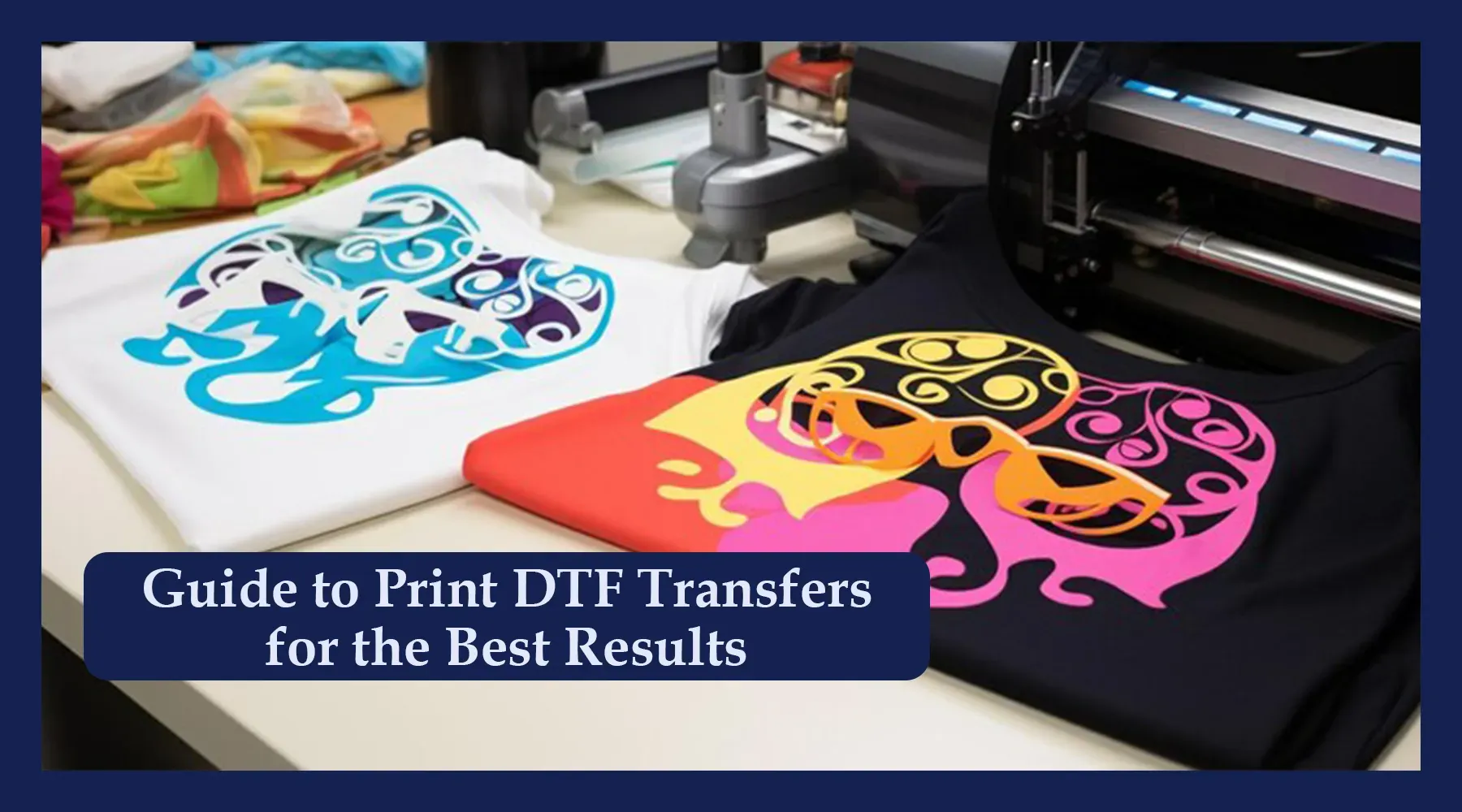
DTF transfers have emerged as a flexible, high-fidelity option for apparel decoration that blends film-based printing with heat-press applications and long-lasting color. As demand grows for on-demand customization, brands can leverage direct-to-film printing to produce vibrant designs with strong wash durability. From faster prototyping to small-batch runs, the technology enables scalable color-rich artwork across a range of fabrics, from cotton basics to performance blends and beyond. Understanding evolving transfer methods helps teams plan color management, substrate compatibility, and reliable application. By aligning workflow practices with modern film-based processes, brands can ensure consistency from concept to consumer through scalable, repeatable production.
In practical terms, this approach is commonly described as a film-to-fabric printing process that uses a glue-backed transfer. Industry voices often refer to it as a film-based workflow, a modern alternative to traditional screen printing that preserves detail and color. From a strategy perspective, brands can think in terms of color management, substrate versatility, and reliable heat-press outcomes. This framing aligns with broader search intent around durable, quick-turn fabric decor and on-demand apparel drops.
DTF Transfers and Direct-to-Film Printing: The Core of Modern Apparel Decoration
DTF transfers have moved from niche to mainstream, offering brands a flexible path to high-quality apparel decoration with on-demand production. Direct-to-film printing enables rapid prototyping and small-batch runs without the heavy setup costs of traditional methods, delivering vibrant color and a soft hand feel that consumers notice. For brands focused on speed-to-market and customization, DTF transfers provide a compelling balance of quality and efficiency.
The film-based workflow—printing on a carrier film, applying an adhesive powder, curing, and transferring with a heat press—underpins the advantages of direct-to-film technology. As awareness grows, advances in ink formulations and film quality are driving sharper whites, brighter colors, and improved washfastness. These improvements are central to evolving DTF transfer trends and help brands expand into more fabrics and finish options.
DTF Transfer Trends to Watch in 2026
Enhanced film quality and color accuracy are among the top DTF transfer trends, reducing banding and enabling more precise white underbases for dark fabrics. This translates into more faithful reproductions of artwork and brighter, multi-color designs that stay vibrant after washing.
Expanded substrate compatibility, sustainability efforts, and on-demand capabilities are shaping the market. Digital-to-analog optimization—through better RIP software, color management, and streamlined workflows—reduces reprints and shortens lead times, making DTF transfers a viable option for diverse product lines and seasonal drops.
Direct-to-Film Printing Technology and Its Impact on Color Fidelity
Direct-to-film printing powers the color fidelity brands seek. High-quality pigment inks printed onto a film with a white underbase option for dark fabrics, followed by adhesive coating and heat transfer, deliver a resilient image across cotton, blends, and even some polyesters. This technology makes it easier to test bold colorways quickly without committing to expensive screens.
As film technology and ink chemistry evolve, brands can prototype several variations and fulfill limited releases with predictable costs. The ongoing improvements in direct-to-film printing enable better color management, more consistent results across batches, and smoother integration of new colors and textures into product lines.
DTF Printing Durability: How to Prolong Life of Transfers
Durability is a primary concern for brands investing in DTF transfers. The long-wear performance depends on film construction, adhesive formulation, ink quality, and pressing parameters. Understanding these factors helps ensure designs withstand repeated washing and daily wear.
Best practices for durability include selecting high-quality films and adhesives matched to the fabric, calibrating colors with accurate RIP profiles, pre-pressing to remove moisture, and following recommended heat-press settings. Regular wash tests and keeping a library of tested fabrics with known results are essential for maintaining consistent durability over time.
DTF Heat Press Tips for Consistent Quality Across Fabrics
Effective heat pressing is key to consistent DTF results. Practical guidelines include pre-pressing the fabric for 3–5 seconds to remove moisture, setting the press around 160–170°C (320–340°F), applying medium-to-high pressure for 10–20 seconds, and using a silicone sheet or parchment to protect the transfer and fabric.
Peel the transfer according to the film’s instructions—hot peel for some films, cold or cool peel for others—and allow garments to cool to diminish post-transfer distortion. Always test settings on common fabrics first, and consider requesting a sample kit from suppliers to trial different temperatures, pressures, and times before scaling.
Choosing Partners for a Scalable DTF Strategy
The success of a DTF program hinges on reliable partners. Evaluate film thickness, adhesive performance, ink stability, and color-management capabilities. Clear documentation, robust support resources, and transparent testing data help ensure predictable results and fewer production delays.
Beyond technical compatibility, prioritize sustainability, compliance, and supply-chain transparency. Build standardized artwork workflows and color templates to minimize reprints, and plan for on-demand and seasonal drops that leverage direct-to-film technology to maintain quality while scaling with demand.
Frequently Asked Questions
DTF transfers: What are the latest DTF transfer trends and how does direct-to-film printing shape them?
DTF transfer trends show brighter colors, improved film quality, broader substrate compatibility, and on-demand production. Direct-to-film printing enables rapid testing of colorways, multi-color designs, and fast prototyping, while maintaining color fidelity and a soft hand on many fabrics.
How does direct-to-film printing influence DTF printing durability across fabrics?
DTF printing durability depends on film, adhesive, ink, and pressing. Direct-to-film printing benefits from strong white underbases and durable adhesives, but performance varies by fabric; confirm with wash tests and supplier guidelines to ensure long-lasting results.
What are essential DTF heat press tips for consistent DTF transfers quality?
DTF heat press tips include pre-pressing to remove moisture, using the recommended temperature (typically 160–170°C), consistent pressure for 10–20 seconds, protective sheets, and the advised peel method. Following the film’s guidelines and testing on representative fabrics keeps DTF transfers consistent.
How does direct-to-film technology enable on-demand production for DTF transfers?
Direct-to-film technology lets you print designs on film first, then transfer with adhesive, supporting quick changes, small runs, and on-demand drops. This approach reduces setup, speeds production, and scales with minimal waste, making DTF transfers ideal for limited editions.
Which fabrics affect DTF printing durability and how can you optimize performance across cotton, blends, and polyesters in DTF transfers?
Fabric type influences adhesion, texture, and washfastness; test on representative blends and fabrics, adjust curing, and choose the right adhesive. With optimized settings for each substrate, DTF transfers maintain color and feel, improving overall durability.
What common issues arise with DTF transfers and how can you troubleshoot them using DTF transfers best practices?
Common issues include edge cracking, color fading, peeling, and white underbase inconsistencies. Troubleshooting steps: verify film/adhesive match for fabric, calibrate RIP color profiles, ensure proper pre-press, use correct heat-press settings, and perform wash tests to confirm durability.
| Topic | Key Points |
|---|---|
| What are DTF transfers? | DTF transfers are created by printing designs onto a special film, applying an adhesive powder, curing, and then transferring the image to fabric with a heat press. This process differs from DTG because the image is printed on film first, enabling use on a wide range of fabrics (cotton, blends, some polyesters) and supporting strong color fidelity. |
| Direct-to-Film Printing Technology & Impact | Direct-to-film printing uses high-quality pigment inks on film, often with a white underbase option for dark fabrics. The film carrier enables rapid prototyping and testing of colorways, reduces lead times, and supports small-batch production with more predictable unit costs as films/inks improve. |
| Trends Shaping DTF Transfer Futures | Enhanced film quality and color accuracy; expanded substrate compatibility; short-run/on-demand capability; sustainability improvements; digital-to-analog optimization (color management and RIP software); market diversification including collaborations and limited editions. |
| DTF Printing Durability & Care | Durability depends on film/adhesive quality, ink, and pressing. Optimize by selecting compatible films, calibrating RIPs, pre-pressing to remove moisture, following heat-press guidelines, and conducting wash tests on representative samples. |
| DTF Transfers vs Other Methods | DTF vs screen printing: strong for on-demand, full-color designs with less setup for small runs. DTF vs DTG: often broader material compatibility and color durability after washing. Hybrid approaches mix DTG for breathable areas and DTF for others. |
| Practical Guidance for Brands | Define product strategy (which items benefit from DTF). Evaluate supplier capabilities (color management, film quality, testing data). Standardize artwork/workflows. Run pilot batches and plan for on-demand/seasonal drops. |
| DTF Heat Press Tips for Consistent Quality | Pre-press 3–5 seconds to remove moisture; set temperature ~160–170°C (320–340°F); apply medium-to-high pressure for 10–20 seconds; use silicone sheet/parchment; follow hot/cold peel as required; allow cooling to prevent distortion; test with sample kits. |
| Quality Control & Troubleshooting | Common issues: edge cracking, color fading after wash, peeling, and white underbase inconsistencies. Remedies include proper adhesive application, accurate heat distribution, correct curing, color profiling, and routine film/ink supplier testing. |
| Choosing Partners for DTF Transfers | Assess film/adhesive consistency, ink stability and color management, clear documentation/troubleshooting resources, and supplier compliance with sustainability goals. |
| Road Ahead for Your Brand | DTF transfer futures reflect on‑demand, data-driven production, and sustainability shifts. Embrace direct-to-film printing as a flexible, scalable method to deliver high-fidelity designs across fabrics, enabling rapid drops and personalized campaigns. |