
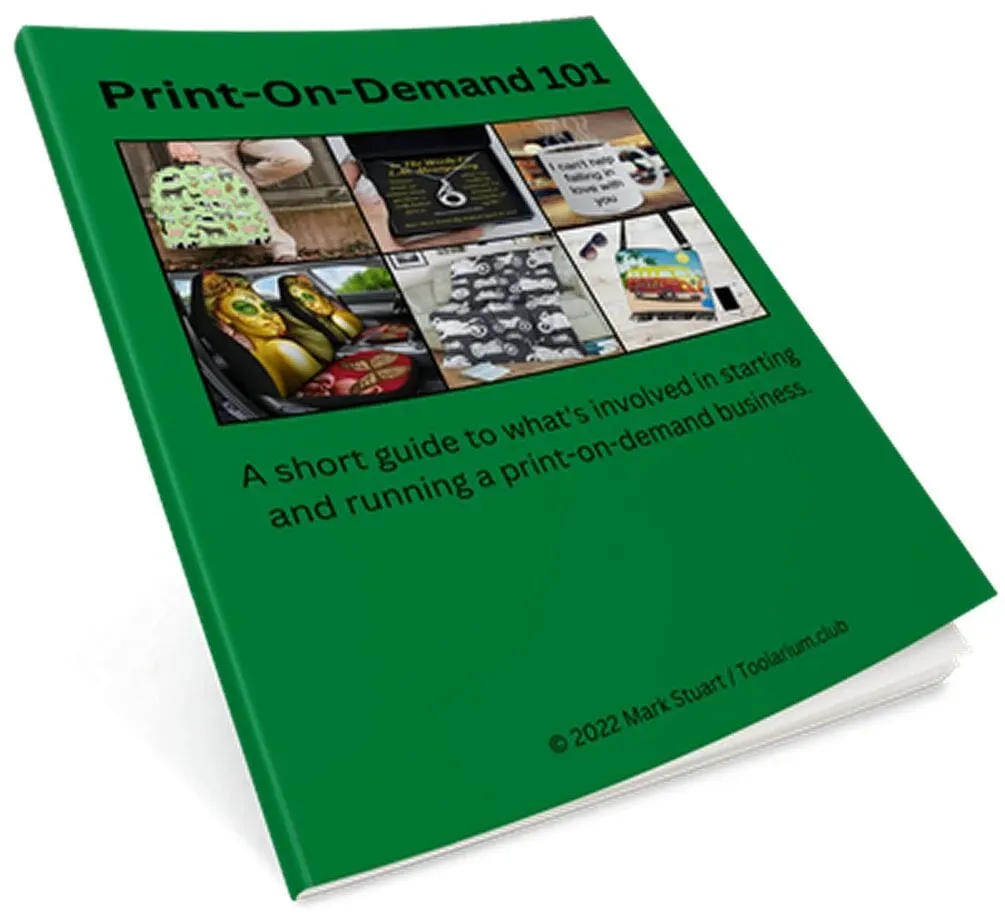
Print on Demand 101 is a practical roadmap for launching a profitable online store with minimal upfront risk. If you’re curious about turning a creative idea into a physical product that ships directly to customers, you’re in the right place for practical print-on-demand tips. This guide covers the essentials—from selecting a niche (including print on demand niche ideas) to choosing the right platform, the best print on demand platforms, pricing strategies, and marketing tactics. By following Print on Demand 101 steps, you’ll gain clarity on how to start a print on demand store and scale it over time. As you explore the basics, you’ll learn how to validate ideas, manage expectations, and build a lean, sustainable POD business for beginners.
For newcomers, this model of order-based production—often called on-demand printing or merchandise fulfillment—lets you design and list products without holding inventory. Instead of pre-purchasing stock, you partner with a fulfillment provider to print and ship after a sale, creating a scalable, low-risk path into e-commerce. Think of it as a design-led business where success hinges on audience fit, compelling listings, and smart pricing. If you’re exploring this space, you can test print on demand niche ideas, compare the best print on demand platforms, and apply print-on-demand tips to accelerate learning.
Print on Demand 101: A Practical Startup Roadmap for Beginners
Print on Demand 101 serves as a practical roadmap for launching a POD store with minimal upfront risk. It emphasizes turning a creative idea into a physical product that ships directly to customers, while guiding you through niche selection, platform choice, pricing strategies, and marketing tactics. This framework helps you answer the core question of how to start a print on demand store by focusing on demand, audience fit, and scalable design processes.
By following Print on Demand 101 steps, you can balance creativity with fundamentals like market demand, competition, and margins. It’s not enough to create beautiful designs; you must connect those designs to a specific audience and communicate clear value in product listings. With disciplined testing and optimization, this approach supports a sustainable POD business that can scale as you refine offerings and marketing.
How to Start a POD Store: From Idea to First Sale
If you’re wondering how to start a print on demand store, begin by identifying a compelling niche and validating demand. Quick research using keyword tools and social listening helps you gauge interest and search volume for related terms, ensuring your efforts target real customer needs.
A lean test plan—pick a few core products, set up optimized listings, and monitor conversions—lets you learn what resonates before expanding. This mindset resonates with the POD business for beginners, emphasizing low upfront risk, rapid iteration, and data-driven decisions to reach your first sales milestone.
Choosing the Right Platform: Best Print on Demand Platforms for Beginners
Selecting the right platform and fulfillment partner is critical to long-term success. When evaluating the best print on demand platforms, consider catalog breadth, reliability, and integrations with e-commerce storefronts, as well as features like mockup generators and transparent shipping options.
Common pairings—Shopify with POD apps for scalable branding, or Etsy for niche communities and handmade-inspired products—each come with tradeoffs. Start with a lean test plan on one platform to learn what resonates with your audience and what products perform best, then expand as you gain confidence in your process.
Finding Your Niche: Print on Demand Niche Ideas That Sell
Defining a niche is your compass for product selection, branding, and messaging. Explore print on demand niche ideas by identifying areas you’re passionate about, while also targeting underserved audiences or emerging trends with engaged communities.
Validate demand with quick research and social listening, then narrow broad niches into actionable sub-niches (for example, outdoor enthusiasts, pet lovers, or wellness practitioners). This approach aligns with how to start a print on demand store that’s focused, scalable, and capable of sustaining growth over time.
Pricing, Margins, and Profit: POD Business for Beginners Essentials
Understanding costs and margins is essential for profitability. Your base cost includes product, printing, and fulfillment, while shipping and platform fees add to the expense. A common target is a net profit margin of 20-40% per item, though your numbers will vary by product and region.
To optimize profitability, price with perceived value in mind, consider bundling offers to raise average order value (AOV), and choose shipping strategies that simplify checkout while protecting margins. Occasional promotions can help, but avoid eroding brand value with frequent discounting, and apply strategic pricing as part of your broader POD tips.
Marketing, SEO, and Listings: Print-On-Demand Tips for Growth
Product photography and listing optimization are the engines of growth. Invest in high-quality images that show real-life use, include lifestyle shots, and highlight print quality and fabric feel. Write titles and descriptions that incorporate relevant keywords naturally, ensuring clear benefits and use cases for your audience.
A strong SEO and listing strategy should include keyword-rich product titles, bullet-point features, descriptive alt text for accessibility, and meta descriptions that hint at value without sounding robotic. Build a multi-channel marketing approach with organic social media, content marketing, email retention, and paid campaigns, while tracking metrics like CTR, CR, AOV, and ROAS to continuously improve results.
Frequently Asked Questions
What is Print on Demand 101 and how can it help with how to start a print on demand store?
Print on Demand 101 is a practical roadmap for launching a low‑risk POD store. To learn how to start a print on demand store, it emphasizes niche validation, platform selection, design quality, pricing strategy, and ongoing testing. By following its steps, you can validate ideas, choose the right platform, and scale with data‑driven decisions.
What are the best print on demand platforms recommended by Print on Demand 101?
Print on Demand 101 highlights the best print on demand platforms as those with wide catalogs, reliable fulfillment, and strong e‑commerce integrations—typical examples include Shopify or Etsy paired with Printful or Printify. Start with one platform to test a few products, measure results, then expand.
How can Print on Demand 101 help you discover print on demand niche ideas?
Print on Demand 101 guides you to find print on demand niche ideas by pairing your passions with underserved audiences, validating demand via keyword research and social listening, and testing sub‑niches. Think in terms of outdoor enthusiasts, pet lovers, wellness advocates, and related micro‑niches.
What is the POD business for beginners strategy described in Print on Demand 101?
A lean, beginner‑friendly strategy from Print on Demand 101 is to start with evergreen items, keep inventory lean, design quality assets, price for healthy margins, and run tests to learn what resonates. Target net margins around 20‑40% after costs and iterate as you scale.
What print-on-demand tips does Print on Demand 101 offer for optimizing listings and margins?
Print‑on‑demand tips from Print on Demand 101 include investing in high‑quality photos (lifestyle and close‑ups), crafting keyword‑rich titles and descriptions, using descriptive alt text, optimizing pricing and shipping, and running occasional promotions to test price sensitivity.
What scaling strategies does Print on Demand 101 recommend for a POD business for beginners aiming to grow?
Print on Demand 101 recommends scaling by doubling down on top‑performing designs and audiences, pruning underperformers, continuously testing new niches and marketing angles, and refreshing designs to avoid stagnation. For beginners, focus on repeat customers, key metrics, and data‑driven iteration.
| Key Area | Core Idea | Practical Takeaways |
|---|---|---|
| Introduction to Print on Demand 101 | POD is a practical roadmap for launching a profitable store with minimal upfront risk. | Define goals, understand the model (design, listing, fulfillment), and start with a clear plan to move from idea to product. |
| Niche & Demand | Identify a specific audience and validate demand. | Brainstorm broad niches, narrow to sub-niches, and use keyword research and social listening to gauge interest. |
| Product Selection & Design | Core evergreen items with room for seasonal or trend-driven additions. | Start with staples (T-shirts, mugs, bags) and ensure strong design quality; prepare multiple design variations. |
| Platform & Fulfillment | Choose a storefront platform and a POD provider that fit your goals. | Test one platform with a lean plan; compare catalogs, pricing, and shipping; integrate with your store (Shopify/Etsy + Printful/Printify, etc.). |
| Pricing & Profitability | Understand costs and target margins. | Calculate base costs, shipping, and platform fees; target 20–40% net profit per item; use value-based pricing and occasional promotions to protect margins. |
| Listings & SEO | Listings and images drive click-through and conversions; optimize for search visibility. | Create high-quality photos, keyword-rich titles, benefit-focused bullet points, alt text, and meta descriptions that reflect Print on Demand 101 terms. |
| Marketing & Brand | Build a brand with a multi-channel approach. | Leverage social, content marketing, influencers, and email marketing to nurture and convert audiences. |
| Operations & Customer Experience | Lean, customer-focused operations are essential for sustainability. | Ensure order accuracy, timely fulfillment, clear returns policies, and proactive customer service. |
| Scaling & Metrics | Measure the right KPIs to drive growth. | Track CR, CTR, AOV, LTV, CAC, ROAS, and fulfillment metrics; iterate on top performers and test new designs and niches. |
| Common Challenges | Anticipate market dynamics and quality concerns. | Address copyright concerns, quality control via samples, niche refreshing, and solid customer service processes. |
Summary
Conclusion: Print on Demand 101 provides a practical framework for launching and growing a successful POD store. By choosing the right niche, selecting dependable platforms, crafting compelling listings, and investing in smart marketing, you’ll be well-positioned to turn creative ideas into a scalable business. Remember that every successful POD venture starts with a plan, a willingness to learn, and the discipline to optimize based on real data. If you follow these steps—niche ideas, the best print on demand platforms, robust design, and a customer-first approach—you’ll be ahead of the curve in the ever-evolving world of print on demand.