
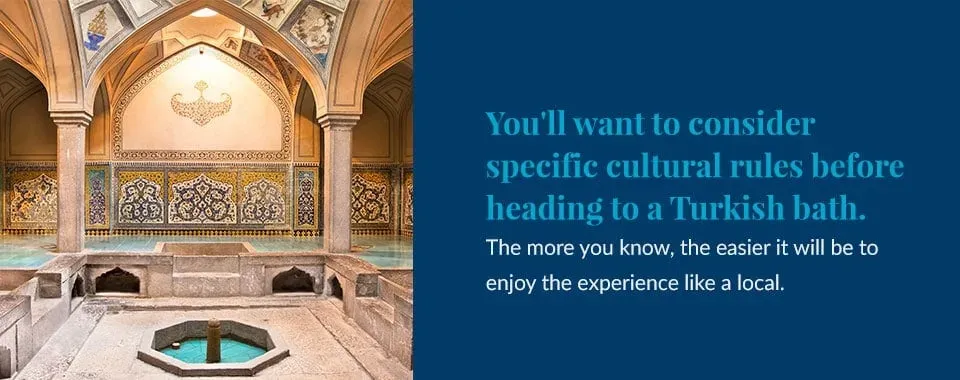
Turkish bath etiquette sets the tone for a respectful hammam experience, guiding visitors to approach steamy chambers with courtesy, mindfulness, and a sense of shared space that honors both comfort and tradition. Whether you step into a historic marble chamber in Istanbul or a contemporary spa inspired by Turkish traditions, understanding etiquette smooths the journey for everyone by clarifying expectations, reducing awkward pauses, preserving the tranquil atmosphere, and helping your companions feel at ease as you share steamy spaces respectfully. The approach emphasizes modesty, hygiene, and considerate interaction in communal areas, helping guests feel comfortable while honoring local customs and the subtle rituals that define the hammam experience. This concise guide outlines practical steps—attire guidelines, how to move through different rooms, when to speak softly, and how to engage respectfully with attendants and fellow guests—so newcomers can participate with confidence. Starting with awareness and respect, you can participate confidently while appreciating the tradition it represents and building a foundation for future visits that feel both meaningful and enjoyable.
Beyond the practical steps, the topic can be understood through broader steam room traditions and bathhouse customs that shape how guests interact in these spaces. From a wellness and cultural perspective, this facet of spa culture involves reading cues, honoring privacy, and moving with a quiet, respectful pace that keeps conversations soft and the environment calm. hammam etiquette, as a thread across regions, informs how to pace cleansing, steam, exfoliation, and even optional massages, ensuring comfort for all. By choosing appropriate coverings, avoiding strong scents, and listening to staff guidance, guests align with local expectations while still enjoying the ritual's restorative benefits.
1. Turkish Bath Etiquette: Core Principles for a Respectful Hammam Experience
Turkish bath etiquette centers on courtesy, privacy, and mindful participation. Visitors are encouraged to approach the hammam with modesty, cleanliness, and a calm demeanor to create a tranquil atmosphere for everyone. The shared nature of the space means that respectful behavior—such as greeting staff, following established routines, and keeping conversations softly toned—helps maintain a peaceful environment that honors the tradition and the comfort of all guests.
Practicing Turkish bath etiquette means recognizing that the experience is both a cultural ritual and a personal care activity. While practices can vary by country or establishment, the underlying principles remain consistent: greet attendants warmly, prepare properly for the session, and move through the spaces with quiet respect. This approach makes it easier for newcomers to participate confidently while honoring local customs and the dignity of fellow guests.
2. Preparing for Your Visit: Attire, Hygiene, and Towel Etiquette in Hammams
Before entering, a thoughtful approach to attire and hygiene sets the tone for the visit. Arriving on time, understanding the facility’s rules about towels, wraps, and seating, and choosing appropriate coverings all reflect a respectful mindset. The pestemal or towel is a key part of towel etiquette in hammam, helping preserve modesty and comfort as guests move between rooms or receive services.
Opting for a lightweight robe or a small towel, along with slip-resistant footwear, supports safety on wet floors and ease of movement. It’s wise to avoid heavy perfumes or creams that could overwhelm others in the steam, and to remove jewelry that could snag fabrics or scratch marble. If rules aren’t clear, ask staff discreetly about preferred attire before entering communal areas to ensure you align with local expectations.
3. Navigating the Hammam Session: Do's and Don'ts and Respectful Interaction
A typical hammam journey includes washing, steaming, exfoliation (kese), and optional massage or foam bathing. How to behave in a hammam during these steps centers on courtesy and consent: greet attendants and fellow guests with a quiet, friendly tone, and listen to guidance about timing, pressure, and technique when requesting services. Respecting the professionals’ expertise helps maintain safety and comfort for everyone involved.
Clear communication is essential, especially for services like exfoliation. If you opt for kese, be prepared for a coarse glove exfoliation that may produce a brief, intense sensation but should never be painful. If you prefer not to exfoliate, state your preference upfront, and follow the staff’s directions regarding privacy and positioning. In many hammams, attendants work as a team, and honoring their process supports a smooth, hygienic experience for all guests.
4. Exfoliation and Body Care: Kese, Sensations, and Safe Practices
Exfoliation is a central part of the hammam routine. The kese involves a textured glove that removes dead skin, revealing smoother skin and renewing the surface layer of the body. While the experience can feel invigorating, staying aware of your body’s signals helps ensure it remains comfortable and safe. Communicate openly with the attendant if you have sensitive skin, allergies, or medical conditions that might affect how exfoliation is applied.
After exfoliation, guests often proceed with other cleansing steps or a gentle massage option. Maintaining modesty and privacy during these moments remains part of Turkish bath etiquette, so follow staff directions about where to position yourself, how long to stay in a given area, and how to dress or cover between services. By approaching exfoliation and subsequent treatments with clear communication and respect, you preserve the tranquil, restorative quality of the experience.
5. Public Areas and Privacy: Photography, Noise, and Space Management
Public spaces in the hammam are designed to encourage quiet reflection and social harmony. Keep noise to a subdued level and avoid loud conversations that could disturb others seeking relaxation. This aspect of hammam etiquette helps maintain a balance between social interaction and personal contemplation, allowing each guest to enjoy warmth, steam, and the marble environment without interruption.
Photography policies often prioritize privacy and cultural sensitivity. In many settings, taking photos in steam rooms or shared spaces is restricted or prohibited. If you are unsure about permissions, ask staff before taking any pictures and respect posted rules about photography and behavior. Presenting yourself with modest clothing and limited attention to appearance in public areas supports the serene atmosphere that characterizes a successful hammam visit.
6. Cultural Context and Regional Variations: Respecting Local Customs
While Turkish bath etiquette provides a broad framework, regional variations can influence practices such as gender-separated spaces, private rooms, or flexible schedules. Observing how locals navigate these nuances and asking politely for guidance when unsure demonstrates the kind of flexibility that enhances the experience for everyone. It also reinforces the broader intention of Turkish bath manners—hospitality, respect, and shared relaxation.
Approaching each visit with humility and curiosity helps travelers integrate into a living tradition. By learning local rules about attire, privacy, and service etiquette, guests participate in a meaningful cultural exchange while preserving the integrity of the hammam. Whether you are in a historic marble chamber or a modern spa inspired by Turkish tradition, thoughtful behavior rooted in the fundamentals of hammam etiquette and Turkish bath manners will enrich every visit.
Frequently Asked Questions
What is Turkish bath etiquette and why is it important in a hammam?
Turkish bath etiquette encompasses courtesy, cleanliness, privacy, and relaxation. It guides how to interact with staff and other guests, what to wear (often a pestemal towel), and how to move through shared spaces with modesty. Following this etiquette helps create a respectful, comfortable hammam experience for everyone.
What are the do's and don'ts in a hammam for first-time visitors?
Do arrive on time and follow the facility's rules for towels and seating. Do wear a pestemal or wrap, keep jewelry minimal, and avoid strong perfumes. Don't hover in active cleansing areas, don't speak loudly, and don't touch others without consent; always ask staff discreetly if you are unsure about attire or procedures.
How to behave in a hammam: guidance on dress and personal conduct under Turkish bath etiquette?
Dress modestly in a pestemal towel or a small robe and wear slip-resistant footwear; maintain good personal hygiene and keep noise level low. Always greet attendants, seek consent before services like exfoliation or massages, and follow the staff's guidance on timing and technique.
What is towel etiquette in hammam and why does it matter for comfort and privacy?
Towel etiquette in hammam means covering yourself with a towel or wrap when moving between rooms, keeping modesty intact, and only removing it in private or staff-approved spaces. Use the towel to maintain privacy, and carry it respectfully through the shared areas. Respect others' privacy by avoiding photography without explicit permission.
How do regional variations affect Turkish bath etiquette in different hammams?
Regional variations exist: some hammams separate spaces by gender at certain times, others offer gender-neutral schedules or private rooms. Observe local practices, be patient, and ask politely if rules are unclear. Regardless of region, focus on courtesy, hygiene, and quiet relaxation.
What are best practices for interacting with attendants and fellow guests to maintain hammam etiquette?
Greet staff and guests with a quiet, respectful tone. Clearly communicate your preferences and ask for permission before services such as kese (exfoliation) or massages. Follow guidance on timing, pressure, and hygiene, keep conversations low, and be mindful of tipping norms where appropriate.
| Aspect | Key Points | Practical Tips / Examples |
|---|---|---|
| Overview | Turkish bath etiquette anchors a respectful hammam experience; it emphasizes modesty, hygiene, and thoughtful interaction in shared spaces. | Be mindful that etiquette varies by country or establishment; observe and adapt to local norms to ensure a smooth visit for everyone. |
| What is Turkish bath etiquette? | A broad set of expectations that prioritize courtesy, cleanliness, privacy, and relaxation. Greet staff, stay calm, and respect gender and space rules where applicable. | Before entering, acknowledge staff guidance and follow posted rules about attire and conduct in shared spaces. |
| Prep & Attire | Arrive on time; use a pestemal towel; wear or bring appropriate coverage; avoid heavy perfumes; check site-specific attire rules. | Prepare with modest clothing and a towel or robe; wear sandals or slip-resistant footwear; ask staff about preferred attire when unsure. |
| Session Do's & Don'ts | Sequence typically includes washing, steaming, exfoliation (kese), and optional massage or foam bath. Be courteous and obtain permission for services. | Greet quietly, listen to guidance on timing and pressure, and communicate preferences clearly with attendants. |
| Exfoliation (Kese) | Kese uses a coarse glove to remove dead skin; normal friction acceptable but not painful; opt out if desired. | If unsure, indicate preference beforehand and follow staff guidance to preserve comfort and privacy. |
| Towel Etiquette | Maintain modest coverage as you move between rooms; keep towel loosely wrapped; remove only in permitted spaces. | Speak softly; follow staff directions about private areas; be mindful of photography restrictions to protect privacy. |
| Public Areas & Courtesy | Design emphasizes calm, balance, and mindfulness; keep noise low and clothing modest inside steam rooms. | Avoid strong scents; observe posted photography or silence rules; dress appropriately for cultural sites or historic hammams. |
| Regional Variations | Practices differ by country or establishment (e.g., gender-segregated times vs. gender-neutral spaces). | Be patient, observe others, and ask politely for guidance when unsure; adapt respectfully. |
| Navigating Challenges | Clear communication with attendants; inform staff of sensitivities (skin conditions, allergies); maintain calm and mutual respect. | Follow guidance on services, products, and adjustments to ensure comfort for all involved. |
| Practical Tips to Avoid Mistakes | Don’t assume photography is allowed; don’t hover during cleansing; observe tipping norms and proper towel return. | Ask staff discreetly about tipping and etiquette; return towels and equipment to the correct places after use. |
| Respectful Behavior & Cultural Context | Mutual respect and cultural sensitivity are central; humility and curiosity enhance the experience for everyone. | Learn local rules, follow etiquette, and engage with tradition in a respectful manner to enrich your visit. |
Summary
Conclusion: Turkish bath etiquette is the practical guide that makes hammam visits comfortable, respectful, and enjoyable for everyone. By understanding the do's and don'ts, dressing appropriately, communicating clearly with attendants, and observing local variations, you set a tone of consideration that enhances the experience. Visitors who prioritize hygiene, modesty, and quietude will discover a space of relaxation and renewal, while hosts and staff appreciate the effort to engage with tradition in a respectful manner. With this foundation, you can confidently explore hammam culture, learn from each visit, and carry forward the spirit of Turkish bath etiquette to future experiences.